
| Aspect | Detail |
|---|---|
| Scientific Name | Centrochelys sulcata |
| Common Name | Sulcata Tortoise, African Spurred Tortoise |
| Care Level | Advanced |
| Lifespan | 70-100 years |
| Adult Size | Up to 30 inches in length; can weigh over 100 pounds |
| Diet | Herbivorous (grass, hay, and leafy greens) |
| Origin | Sahel region of Africa |
| Temperament | Generally docile but can be determined and stubborn |
About the Sulcata Tortoise
Native to the Sahel region, which stretches across the southern boundary of the Sahara Desert, the Sulcata Tortoise holds the distinction of being the third-largest tortoise species in the world and the largest mainland tortoise. These tortoises have become increasingly popular in the pet trade, mostly because of their impressive size and intriguing behaviors. However, caring for them requires significant knowledge, dedication, and resources due to their size and longevity.
Size
One of the most notable characteristics of the Sulcata Tortoise is its remarkable size. While hatchlings start small, measuring only a few inches, they grow rapidly. Within the first few years of life, they can achieve sizes that already pose housing challenges for many keepers. A mature Sulcata can easily exceed 30 inches in shell length and weigh more than 100 pounds. This rapid growth and impressive final size demand substantial space and robust enclosures.
Unique Features
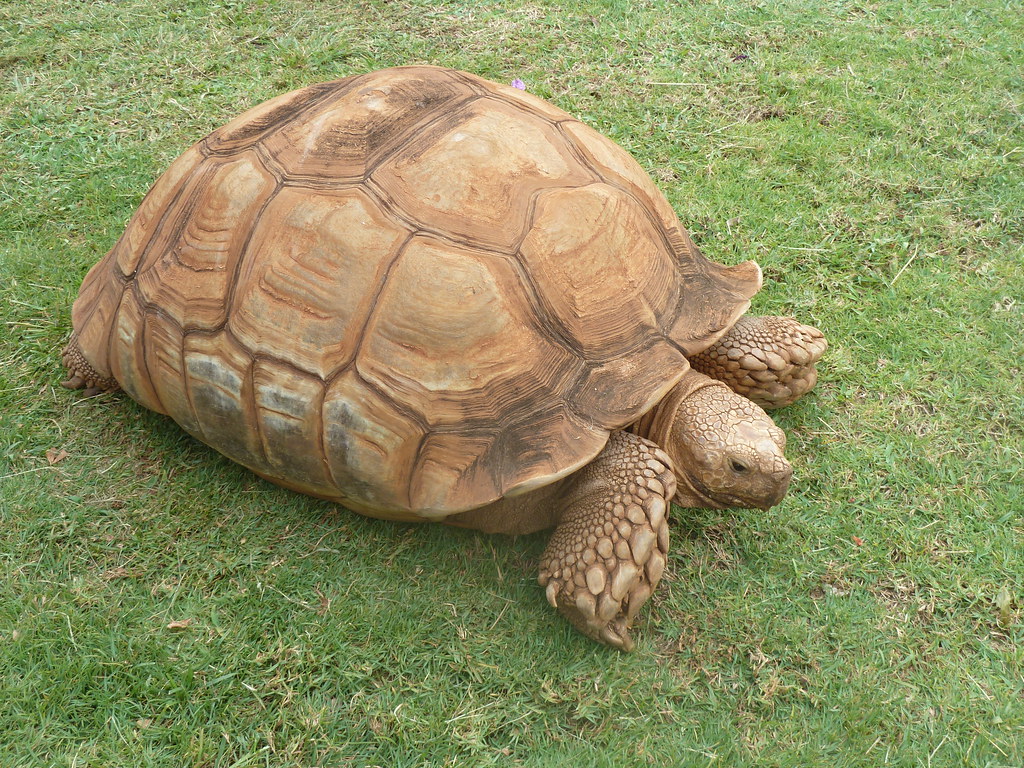
The Sulcata Tortoise boasts a robust, oval carapace that can range from a pale, sandy coloration to a dark brown. Their skin, too, mirrors this desert camouflage. One of the most distinguishing features is the set of large, conical spurs located on their thighs, which gives rise to their other common name, the African Spurred Tortoise. Contrary to some beliefs, these spurs are not used as weapons or for digging, but their exact function remains a topic of speculation.
Behavior and Temperament
Sulcatas are known for their determined and sometimes stubborn nature. In the wild, these tortoises often travel great distances in search of food, a behavior that translates to them frequently attempting to explore or even escape their enclosures. They are powerful diggers, often creating extensive burrows to escape the heat in their native habitats. As such, any outdoor enclosure must be securely fortified, both above and below ground. Generally, they are docile creatures, but their sheer size and strength can make interactions with them daunting, especially for the uninitiated.
Handling
While younger and smaller Sulcatas can be handled with relative ease, mature individuals require caution due to their size and strength. Regular handling isn’t necessary and can even be stressful for the tortoise. Instead, interactions should be limited to health checks, moving between enclosures, or other essential situations. Always support their weight evenly when lifting, and never drop or place them abruptly.
Diet & Nutrition
The Sulcata Tortoise is a grazing herbivore, subsisting on various grasses in the wild. In captivity, their diet should mimic this natural intake. Grasses and hays, such as Bermuda or Timothy hay, should form the bulk of their meals. Leafy greens, like dandelion, clover, and endive, can supplement their diet, but fruits should be offered sparingly due to their high sugar content. Proper nutrition is vital as imbalanced diets can lead to health issues like metabolic bone disease or shell deformities.
Temperature
Sulcatas thrive in warm climates and need temperatures ranging between 70°F to 100°F during the day. Nighttime temperatures can drop a bit, but should not fall below 60°F. They also benefit from basking spots, which can reach up to 100°F, aiding in digestion and metabolic processes. If housed outdoors in cooler climates, it’s essential to provide heated shelters during colder months.
Common Health Issues
While Sulcatas are resilient, they are prone to several health issues in captivity. Respiratory infections can arise from prolonged exposure to cold or damp conditions. Shell rot, pyramiding (where the scutes rise in a pyramid-like fashion), and metabolic bone disease can result from improper nutrition or insufficient UVB exposure. Regular vet check-ups and a well-maintained environment can help prevent most of these issues.
Breeding
Breeding Sulcatas requires careful planning due to their size. Mature females will lay clutches of eggs, often requiring a suitable nesting spot filled with soft, sandy substrate in which to deposit them. After laying, the eggs can be carefully transferred to incubators, maintaining temperatures between 86°F to 88°F. The sex of hatchlings is temperature-dependent, with slight variations in incubation temperatures determining whether males or females develop.
Mating Habits
Mating rituals among Sulcatas can be aggressive. Males often ram into females or other competing males, using their gular shield (an extension of the plastron, or the underside of the shell) as a form of combat. These displays of dominance can result in flipped opponents or injuries. After securing a mate, the actual mating process is typically brief, followed by the female seeking an appropriate nesting site in subsequent weeks. Due to the aggressiveness of these encounters, it’s essential to monitor interactions to ensure the safety of all involved parties.


