| Scientific Name | Cacatua moluccensis |
|---|---|
| Common Name | Moluccan Cockatoo |
| Care Level | Advanced |
| Lifespan | 40-70 years |
| Adult Size | 20 inches (average) |
| Diet | Seeds, fruits, nuts, vegetables |
| Origin | Maluku Islands in Indonesia |
| Temperament | Affectionate, loud, demanding |
History & Domestication
Moluccan Cockatoos, hailing from the Maluku Islands in Indonesia (once known as the Spice Islands), are striking birds known for their vibrant pink-tinged plumage. They are considered one of the largest of the white cockatoos. In their natural habitat, they thrive in lowland forests and have adapted to various ecological conditions.
Their beauty, intelligence, and captivating personalities have attracted the attention of bird enthusiasts worldwide. Unfortunately, the high demand for them as exotic pets, combined with habitat destruction in their native regions, has led to a decline in wild populations. By the late 20th century, international laws and conventions were established to regulate their trade and ensure their conservation.
Size
The Moluccan Cockatoo is among the larger members of the cockatoo family. On average, adults can attain lengths of about 20 inches from beak to tail. Their size is complemented by a robust and sturdy physique, characteristic of most cockatoos.
Lifespan
When adequately cared for, Moluccan Cockatoos have a lifespan ranging from 40 to an impressive 70 years. Due to their lengthy life expectancy, potential owners should be prepared for a long-term commitment when adopting these birds.
Breeding
In the wild, Moluccan Cockatoos nest in tree cavities. In a captive environment, providing a sizeable nesting box is crucial for successful breeding. Females lay 2-3 eggs on average, with an incubation period spanning about 28 days. Both parents play an active role in rearing the chicks, ensuring they’re well-fed and protected until they’re ready to fledge.
Unique Features
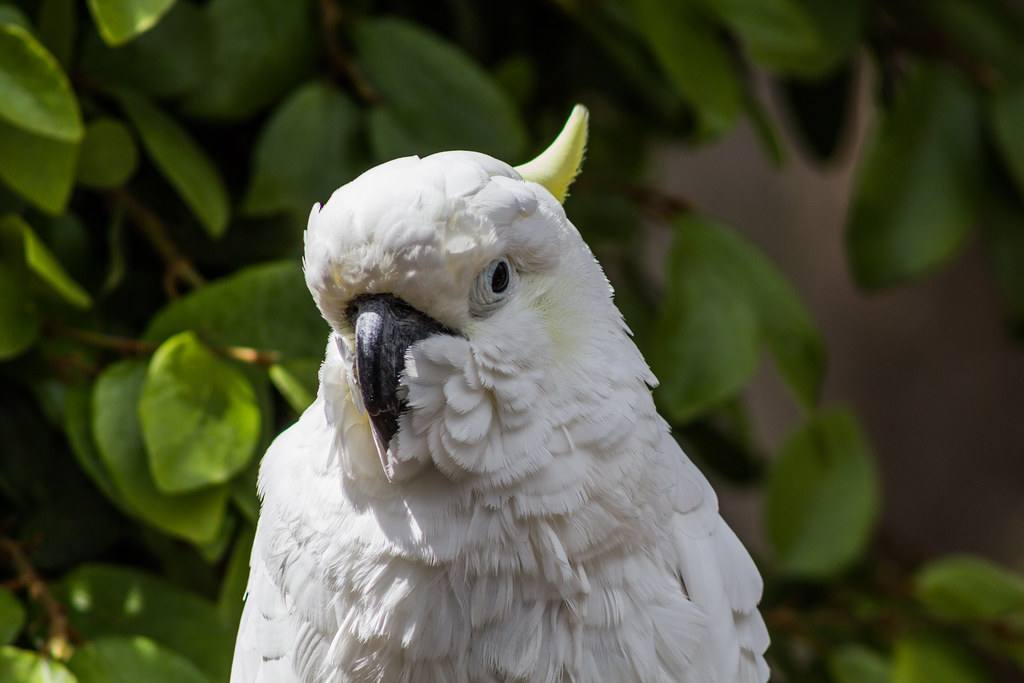
The Moluccan Cockatoo’s most distinctive feature is its exquisite salmon-pink plumage. The intensity of the color can vary among individual birds. They also sport a large, retractable crest, which can fan out and display an array of colors. This crest, often raised when the bird is excited or feels threatened, accentuates their emotional expressions.
Behavior and Temperament
Known for their affectionate nature, Moluccan Cockatoos often form deep bonds with their human caregivers. They thrive on social interaction and can become quite attached, sometimes leading to separation anxiety if left alone for extended periods. They are also incredibly vocal, capable of producing loud calls. Their intelligence demands mental stimulation, requiring a variety of toys and activities to keep them engaged.
Handling
Regular, gentle handling fosters trust and strengthens the bond between the bird and its owner. Socializing them from a young age can make them more amicable and less likely to exhibit aggressive behaviors. They are keen learners and can be taught tricks and commands, further emphasizing the importance of regular interaction.
Grooming Needs
Moluccan Cockatoos require consistent grooming to maintain their health. This includes regular wing clipping to prevent unintended flights, nail trimming, and occasional beak maintenance. Frequent baths or misting helps keep their skin and feathers in top condition, and it’s an activity most Moluccans thoroughly enjoy.
Diet & Nutrition
While seeds and nuts form a significant part of their diet, a balanced meal should also include fresh fruits, vegetables, and grains. Commercially available pellets, formulated for cockatoos, can supplement their diet. Constant access to clean, fresh water is essential.
Temperature
Originating from tropical regions, Moluccan Cockatoos prefer warmer temperatures. If housed outside in cooler climates, they need protection from the cold. When indoors, it’s essential to keep them in a consistent environment, devoid of drafts or extreme temperature fluctuations.
Common Health Issues
Common health concerns for Moluccan Cockatoos include fungal infections, respiratory disorders, and feather plucking—a behavior often stemming from boredom or anxiety. Regular veterinary check-ups can help diagnose and treat potential health issues early on.
Habitat Requirements
Due to their size and activity level, spacious cages are non-negotiable. Their habitat should provide ample room to move, play, and spread their wings. Incorporating perches, toys, and climbing structures can significantly enrich their living space.
Cost of Care
The initial purchase of a Moluccan Cockatoo can be quite costly, but it’s essential to factor in additional expenses. These include costs for housing, feeding, regular veterinary care, toys, and other necessary accessories. Given their long lifespan, this is a prolonged financial commitment. However, the joy, companionship, and bond formed with these majestic birds often make the investment well worth it for many owners.